

In today’s fast-paced world, stress, fatigue, and emotional imbalance have become common challenges. As people look for natural ways to restore harmony and improve well-being, aromatherapy has gained widespread popularity. Rooted in ancient healing traditions, aromatherapy uses essential oils extracted from plants to support physical, emotional, and mental health. Understanding its benefits can help you make better use of this gentle yet powerful wellness practice.
What Is Aromatherapy?
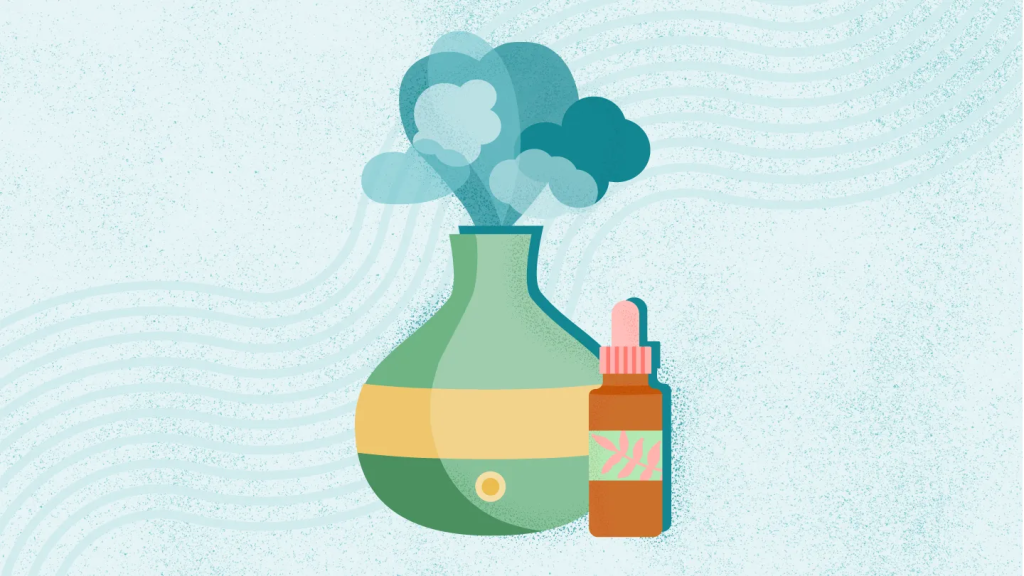
Aromatherapy is a holistic healing practice that uses natural plant extracts, known as essential oils, to promote health and well-being. These oils are obtained from flowers, leaves, bark, roots, and fruits through processes like steam distillation or cold pressing. Aromatherapy works primarily through inhalation or topical application, allowing the body and mind to respond to the therapeutic properties of the oils.
The practice dates back thousands of years and was used in ancient civilizations such as Egypt, China, and India. Today, aromatherapy is widely used in homes, spas, wellness centers, and even hospitals as a complementary therapy.
How Aromatherapy Works
When you inhale essential oil aromas, the scent molecules travel through the nose to the olfactory system, which is directly connected to the brain’s limbic system. This area controls emotions, memory, heart rate, and stress levels. As a result, aromatherapy can quickly influence mood, relaxation, and emotional balance.
When essential oils are applied to the skin—properly diluted with a carrier oil—they may be absorbed into the bloodstream. This allows the oils to support physical comfort and relaxation at a deeper level.
Stress Relief and Relaxation
One of the most well-known benefits of aromatherapy is stress reduction. Modern life often leaves people feeling overwhelmed and anxious. Calming essential oils such as lavender, chamomile, sandalwood, and ylang-ylang are commonly used to promote relaxation and ease tension.
Using a diffuser, adding oils to a warm bath, or enjoying an aromatherapy massage can help lower stress levels and encourage a sense of calm. Regular aromatherapy sessions may also support better emotional balance and mental clarity.
Improved Sleep Quality
Poor sleep affects both physical and mental health. Aromatherapy can be a natural way to improve sleep quality without relying on medications. Essential oils like lavender, cedarwood, and vetiver are known for their soothing properties and are often used before bedtime.
Diffusing these oils in the evening or applying them in diluted form to pulse points can help signal the body to relax, making it easier to fall asleep and stay asleep throughout the night.
Enhanced Mood and Emotional Well-Being
Aromatherapy plays a powerful role in uplifting mood and supporting emotional health. Citrus oils such as orange, lemon, and grapefruit are refreshing and energizing, helping to reduce feelings of sadness or mental fatigue. Floral oils like rose and jasmine are often associated with emotional comfort and confidence.
By incorporating aromatherapy into daily routines, many people experience improved positivity, motivation, and emotional resilience.
Relief from Headaches and Body Discomfort
Certain essential oils are known for their ability to ease headaches, muscle tension, and physical discomfort. Peppermint oil, with its cooling sensation, is commonly used to relieve tension headaches and improve focus. Eucalyptus and rosemary oils may help relax muscles and support circulation.
A gentle massage using diluted essential oils can provide relief while also promoting relaxation and overall comfort.
Support for Respiratory Health
Aromatherapy is often used to support respiratory comfort, especially during seasonal changes. Oils such as eucalyptus, tea tree, and peppermint are commonly inhaled to help clear airways and promote easier breathing.
Steam inhalation with a few drops of essential oil can be particularly helpful in providing temporary relief from congestion and discomfort.
Skincare and Self-Care Benefits
Aromatherapy is also widely used in skincare and self-care routines. Essential oils like tea tree, lavender, and frankincense are commonly added to skincare products for their cleansing and soothing properties. Beyond physical benefits, the pleasant aromas enhance the overall self-care experience, turning everyday routines into mindful rituals.
Safety and Proper Use
While aromatherapy is natural, it must be used responsibly. Essential oils are highly concentrated and should always be diluted before skin application. A patch test is recommended to prevent irritation or allergic reactions.
Essential oils should not be ingested unless advised by a qualified professional. Pregnant women, children, and individuals with medical conditions should consult a healthcare provider before using aromatherapy.
Conclusion
Aromatherapy offers a gentle yet effective way to support physical comfort, emotional balance, and mental well-being. From reducing stress and improving sleep to uplifting mood and enhancing self-care, its benefits are wide-ranging and deeply rooted in nature. When practiced safely and mindfully, aromatherapy can become a valuable part of a holistic wellness lifestyle—helping you feel more relaxed, refreshed, and connected to yourself.